10 Best Cryptocurrencies to Buy Now: Comprehensive 2026 List
Uncover the best cryptocurrency to buy now, compare top coins, fees, and exchanges to make smarter investment decisions

Gift Jeremiah
Aug 27, 2025
The best cryptocurrencies to buy now are digital assets built on strong technology, active ecosystems, and measurable utility. These assets have shown resilience across market cycles and continue to attract both investors and developers seeking long-term value. Their strength extends beyond price action, reflecting the credibility of their projects and their growing relevance in global finance.
As the crypto market evolves, selecting valuable assets requires more than following trends. The most promising cryptocurrencies combine liquidity, transparent operations, and real-world adoption. A project that supports innovation through decentralized finance, payments, or scalable smart contracts stands a better chance of maintaining investor confidence over time.
Understanding these fundamentals is essential before deciding which cryptocurrency to buy. The next table provides a detailed comparison of leading assets based on transaction fees, scalability, and core utility—factors that reveal which projects are best positioned for growth and long-term performance.
Cryptocurrency | Transaction Fees | Supported Cryptocurrency | Security Methods |
BNB | 0.1% | 500+ | Two-Factor Authentication (2FA), Secure Asset Fund for Users (SAFU), Withdrawal Address, WhitelistingReal-Time Monitoring, and Suspicious Activity Alerts |
Bitcoin | Variable in BTC | 1(BTC) | Proof-of-Work (PoW), consensus mechanism,Public-private key cryptography, Decentralized blockchain ledger, Transaction verification and immutability through mining |
Ethereum | 0.0001 ETH | 400,000+ | Proof-of-Stake (PoS), consensus mechanism, Secure smart contracts, Decentralization via distributed validators, Regular protocol upgrades and improvements |
Solana | 0.000005 SOL | 500+ | Proof of History (PoH), Tower Byzantine Fault Tolerance (Tower BFT), Gulf Stream transaction forwarding protocol, Sealevel parallel smart contract runtime |
TRON | Near zero (60% reduction in 2026) | 200+ | Delegated Proof of Stake (DPoS) consensus mechanism, TRON Virtual Machine (TVM), Advanced cryptographic encryption |
Maxi Doge | 0.20% | 4 (ETH, BNB, USDT, and USDC) | Independent smart contract audits, Multi-signature treasury controls, Timelock mechanisms, Bug bounty programs |
Avalanche | ~0.07 AVAX (~$1.5) | 300+ | Avalanche consensus protocol, Cryptographic techniques, Subnetwork isolation |
XRP (Ripple) | $0.0002 | 260,000+ | Consensus protocol with independent validators, Unique Node List (UNL), Advanced cryptographic encryption, Multi-signing |
Cardano | 0.17% | 70,000 | Ouroboros proof-of-stake protocol, Multi-signature support, Formal verification, Decentralized governance |
Polygon | $0.0005 to $0.01 in USD | 40,000+ | Proof-of-Stake (PoS) consensus mechanism, Multi-signature wallets, Real-time network monitoring and validator staking |
Top 10 Cryptocurrencies to Buy Right Now
Top 10 cryptocurrencies are BNB, BTC, Ethereum, Solana, TRON, Maxi Doge, Avalanche, XRP, Cardano and Polygon.
BNB (Binance Coin)
BNB is the native cryptocurrency that powers the Binance ecosystem, one of the largest trading and blockchain networks in the world. It was launched to make transactions faster, reduce costs, and give users more control within the Binance Smart Chain.
Beyond being a trading fee token, BNB serves multiple roles across DeFi platforms, payment systems, and smart contract applications. Its quarterly token burns and growing integration into real-world utilities have helped it remain one of the strongest digital assets in the market.
Over the years, BNB has evolved from a simple exchange token to a versatile asset that supports an entire blockchain ecosystem. It connects developers, investors, and traders through its wide range of decentralized apps, while maintaining a strong market position supported by liquidity and consistent demand. Its long-term relevance lies in its ability to adapt to innovation within the blockchain industry.
Market Cap: $ 157. 99 billion
Trading Fees: The standard trading fee is about 0.1% with a 25% discount when paid with BNB
Supported Cryptocurrencies: 500+
Pros
Strong utility: BNB is used across multiple Binance services, from trading and staking to DeFi projects, making it highly functional in real-world blockchain operations.
Low transaction cost: Transactions on the Binance Smart Chain are processed quickly at minimal cost, offering efficiency for both traders and developers.
Expanding ecosystem: Continuous updates and new project integrations within the Binance network strengthen BNB’s position as a long-term investment asset.
Cons
Regulatory dependence: BNB’s performance and trust level are tied to Binance’s global regulatory challenges, which can impact its stability.
Centralization concerns: A significant portion of control still rests within Binance, which can raise concerns among investors who prefer decentralized governance.
Bitcoin (BTC)
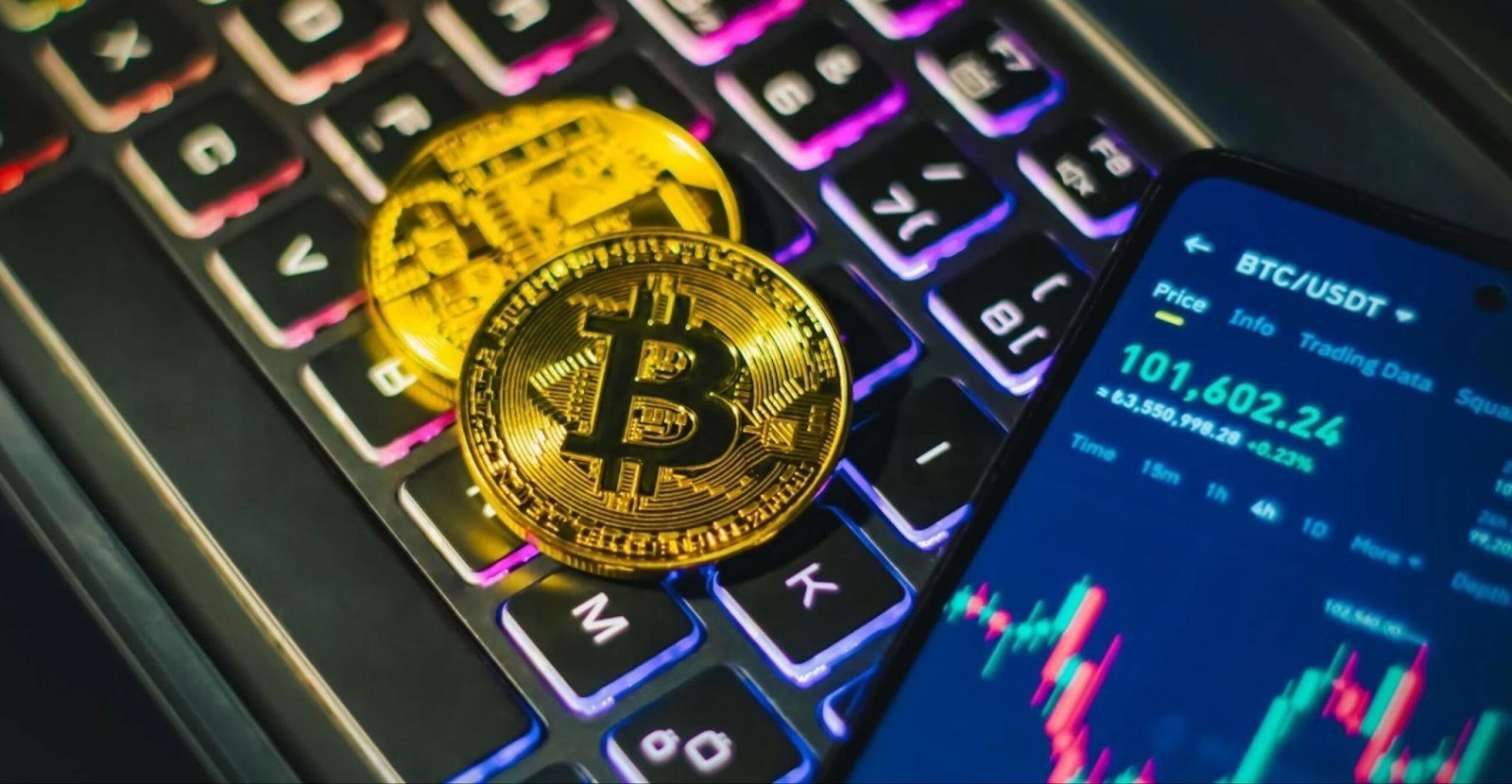
Bitcoin is the first and most recognized cryptocurrency, introduced in 2009 by an anonymous creator known as Satoshi Nakamoto. It was designed as a decentralized digital currency, independent of governments and banks, allowing users to transfer value securely through blockchain technology. Its limited supply of 21 million coins and strong global adoption have made it the standard for value storage and digital payments in the crypto world.
As the market matures, Bitcoin continues to serve as a hedge against inflation and a foundation for institutional investment. Its network is supported by thousands of miners who validate transactions through the proof-of-work mechanism, ensuring security and transparency. Despite newer technologies emerging, Bitcoin remains the most trusted and valuable digital asset, often viewed as “digital gold” due to its stability and dominance in market capitalization.
Market Cap: $2.22 trillion
Trading Fees: Around 0.1% to 0.2% on major exchanges
Supported Cryptocurrencies: Functions independently but traded alongside all major cryptocurrencies
Pros
Market dominance: Bitcoin leads the crypto market in adoption, liquidity, and global recognition.
Store of value: Its capped supply and strong demand make it a preferred hedge against currency devaluation.
Security: The proof-of-work consensus and vast mining network make it one of the most secure blockchains.
Cons
Slow transaction speed: Bitcoin’s network can process only a limited number of transactions per second.
High energy consumption: Mining requires significant energy, raising sustainability concerns.
Ethereum (ETH)
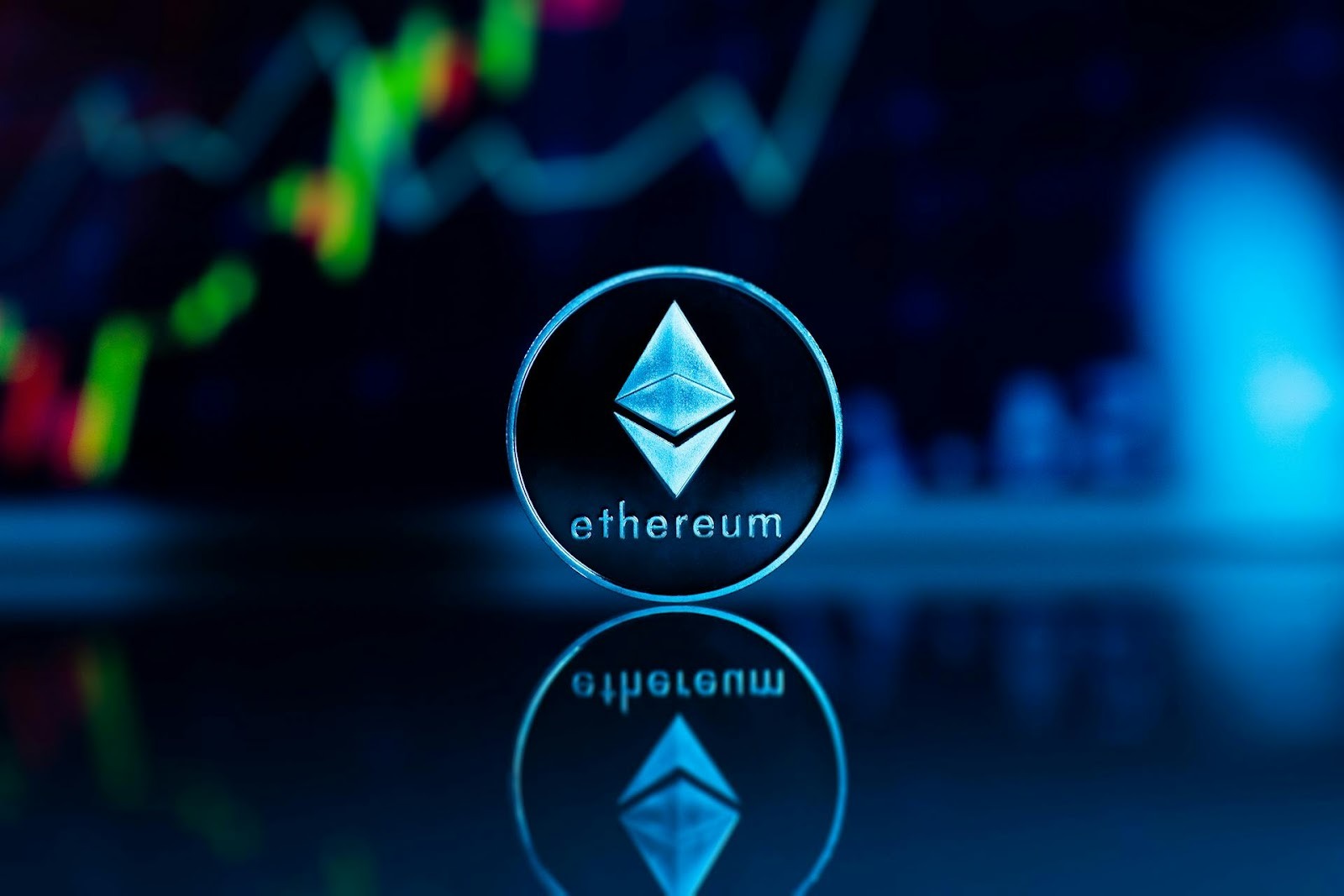
Ethereum is a decentralized blockchain that transformed how digital assets and online applications are created and managed. It introduced smart contracts, which are self-executing programs that work without intermediaries, powering decentralized finance, NFTs, and other blockchain innovations.
This advancement expanded blockchain’s role beyond simple transactions and made Ethereum a foundation for Web3 development. In 2022, Ethereum completed a major upgrade called “The Merge,” which changed its system from proof of work to proof of stake. This transition reduced energy use, improved scalability, and strengthened the network for future expansion.
Ethereum open design and continuous development have earned it strong support from developers, institutions, and investors. Because of its wide adoption and real-world use cases, Ethereum remains one of the most valuable and forward-looking cryptocurrencies.
Market Cap: $479.31 billion
Trading Fees: Around 0.1% to 0.2% on major exchanges
Supported Cryptocurrencies: 400,000
Pros
Smart contract utility: Supports a large number of decentralized applications across multiple sectors.
Active developer network: Thousands of developers contribute to ongoing upgrades and innovation.
Energy efficiency: The proof of stake system cut energy consumption and made the network more sustainable.
Cons
High gas fees: Transaction costs increase when the network experiences heavy usage.
Competition: Other blockchains such as Solana and Avalanche offer faster and cheaper alternatives.
Solana (SOL)
Solana is a next-generation blockchain designed to deliver high-speed and low-cost transactions for decentralized applications. It was created to address one of the biggest challenges in blockchain technology, which is, the balance between scalability, security, and decentralization. By combining a unique system known as proof of history with the proof of stake model.
Also, Solana can process thousands of transactions every second while keeping costs extremely low. This innovation allows developers to build applications that run smoothly without delays or expensive fees.
The network has grown into a key player in decentralized finance (DeFi), NFT markets, and blockchain gaming.
Its speed and efficiency make it a preferred platform for projects that require constant user interaction, such as marketplaces and real-time applications. Beyond performance, Solana’s ecosystem continues to expand through new partnerships and innovations. Projects launched on its network benefit from quick settlements and a supportive developer community.
As adoption increases, the network’s native token, SOL, remains in demand for staking, transaction fees, and governance activities.
Market Cap: $106.51 billion
Trading Fees: Transaction fees are very low, around $0.0000075 per simple transaction, often less than a cent
Supported Cryptocurrencies: Over 500 tokens built on the Solana network
Pros
Transaction Speed: Solana processes thousands of transactions per second, providing one of the fastest experiences in blockchain technology.
Low Fees: Each transaction costs less than a cent, making it accessible for both retail users and developers.
Expanding Ecosystem: The network supports a wide range of DeFi, NFT, and Web3 projects, showing steady growth in adoption.
Strong Developer Community: Continuous technical contributions keep the network improving and responsive to market needs.
Cross-chain Potential: Solana’s interoperability with other networks supports broader blockchain integration and use.
Cons
Network Instability: The platform has faced occasional outages during periods of high usage.
Centralization Risk: A limited number of validators manage a large part of the network’s activity.
Intense Competition: Other scalable blockchains such as Avalanche and Cardano continue to challenge Solana’s market position.
TRON (TRX)
TRON is a blockchain platform built to decentralize the internet by allowing creators to publish, store, and share digital content without relying on intermediaries. Founded by Justin Sun in 2017, TRON’s goal is to return control and profits to content creators while reducing dependency on centralized platforms.
It operates with a strong focus on scalability, high throughput, and cost efficiency, making it one of the most practical networks for real-world applications. The TRON network supports decentralized applications, stablecoin transactions, and smart contracts, all with near-zero transaction fees.
TRON structure enables quick confirmation times and large-scale operations, which has helped it attract millions of active users and developers globally. It also hosts a major portion of the world’s stablecoin transactions, particularly USDT, giving it a strong presence in the blockchain payment space. With continuous upgrades and strategic partnerships, TRON remains one of the most active and utility-driven blockchain networks.
Market Cap: $29.44 billion
Trading Fees: Nearly zero transaction fees
Supported Cryptocurrencies: Over 200 tokens on the TRON network
Pros
High transaction speed: TRON processes up to 2,000 transactions per second, making it ideal for large-scale applications.
Low transaction cost: Its near-zero fees attract developers and users seeking affordable transfers.
Strong ecosystem growth: The network supports DeFi, NFTs, and decentralized content-sharing platforms.
Active user base: Millions of transactions occur daily, supported by an engaged global community.
Stablecoin dominance: TRON is a leading network for USDT transactions, adding stability and utility to its ecosystem.
Cons
Centralized governance: A small number of validators hold significant influence over network operations.
Limited developer innovation: Compared to Ethereum or Solana, TRON hosts fewer high-profile projects.
Reputation challenges: Its founder’s public controversies have occasionally affected investor sentiment.
Maxi Doge (MAXI)
Maxi Doge is a meme-coin project launched to capture the high-risk, and high-reward culture of crypto trading. Its branding features an exaggerated, gym-built Shiba Inu character that symbolizes “maxed-out” leverage and meme-coin hype. The token is currently in presale, priced around $0.00025, with incremental price increases built into the sale stages.
The tokenomics list the total supply at 150.24 billion MAXI and a structure that allocates about 40 % of supply to presale investors. A staking program offers very high APYs, signalling that much of its appeal lies in speculative upside rather than fundamental usage.
Market Cap: Around $1.5 billion
Trading Fees: 0.20% on supported exchanges
Supported Cryptocurrencies: Maxi Doge directly supports at least 4 major cryptocurrencies (ETH, BNB, USDT, USDC) for buying and ecosystem interaction as of 2026,
Pros
Strong Branding Appeal: The gym-meme aesthetic and “1000×” leverage narrative give the token a clear identity that differentiates it from basic meme coins.
Low Price Entry Point: At approximately $0.00025, early buyers gain exposure to a token with massive percentage-move potential if momentum builds.
High Staking Rewards: Offers very high APYs (in some reports over 200 %) which can attract yield-seeking investors and lock in supply.
Viral Community Potential: With strong presale momentum (millions raised already) the token has community buzz which in the meme-coin world can drive short-term jumps.
Speculative Upside: Because market cap remains small relative to major tokens, even small buying pressure could produce large percentage gains (though with massive risk).
Cons
Extremely Speculative: The project rests heavily on hype and community momentum; it lacks proven real-world utility at this time.
High Risk Of Volatility Or Failure: Meme coins can collapse quickly once hype fades, and tokens in presale often carry extra risk of liquidity or listing issues.
Limited Transparency On Long-term Roadmap: While the marketing is strong, concrete details on exchange listings, use cases beyond staking, and development were less clear at time of presale.
Avalanche (AVAX)

Avalanche is a powerful Layer 1 blockchain built to offer high speed, scalability, and flexibility without sacrificing security. It is designed to support decentralized applications, enterprise projects, and custom blockchains known as subnets. This approach gives developers the freedom to build independently while remaining connected to the main network.
Avalanche’s technology allows it to process thousands of transactions within seconds, making it one of the fastest blockchain systems in the market. What makes Avalanche stand out is its developer-friendly structure and wide acceptance across DeFi, NFTs, and Web3 applications.
Its transaction fees are among the lowest in the crypto space, and its speed enables instant confirmation of payments. As more projects move toward efficient blockchain solutions, Avalanche continues to attract developers, institutions, and investors who seek stability and speed.
Market Cap: Over $13 billion (as of 2026)
Trading Fees: Fees fluctuate but average around 0.07 AVAX (~$1.5) for C-Chain transfers
Supported Cryptocurrencies : 300+
Pros:
Fast Transaction Processing: Avalanche confirms transactions in less than a second, improving efficiency for both developers and users.
Low Network Fees: The transaction costs remain minimal, encouraging user adoption and decentralized application growth.
Flexible Network Design: Its subnet architecture enables developers to create custom blockchains with specific use cases.
EVM Compatibility: Supports Ethereum-based projects, allowing easy migration of dApps to its faster network.
Sustainable and Energy Efficient: The consensus mechanism is environmentally friendly, reducing energy consumption compared to traditional blockchains.
Strong Developer Ecosystem: Avalanche has attracted a large developer community, strengthening its technological base and long-term growth.
Cons:
High Competition: Avalanche faces strong competition from Ethereum, Solana, and Polygon, which limits its market dominance.
Complex Architecture: The subnet system can be difficult for new developers to understand or adopt.
Market Volatility: Like most cryptocurrencies, AVAX remains subject to price fluctuations that may discourage short-term traders.
XRP (Ripple)
XRP is the native token of the Ripple network, a blockchain solution created to enhance global money transfers. It focuses on providing a faster, cheaper, and more efficient method of cross-border payment settlement. Ripple’s approach bridges the gap between traditional finance and blockchain innovation by partnering with major banks and payment providers.
This focus on institutional utility has positioned XRP as one of the most practical cryptocurrencies for real-world financial transactions. Beyond its partnerships, XRP’s efficiency gives it a unique advantage in global remittances. The network can process thousands of transactions in a few seconds, costing less than a cent per transfer.
Its stability, liquidity, and scalability make it a preferred option for institutions seeking secure, cost-effective international payments. Even with regulatory hurdles, Ripple’s consistent growth and expanding global reach highlight its long-term relevance in digital finance.
Market Cap: $157.30 billion
Trading Fees: Average of $0.0002 per transaction XRP transaction fees are a small flat fee of about 0.57 XRP per transaction,
Supported Cryptocurrencies: 260,000+
Pros:
Fast Transaction Speed: XRP transactions are completed in 3 to 5 seconds, making it one of the fastest networks globally.
Extremely Low Fees: Its minimal transaction cost supports large-volume transfers with minimal expense.
Strong Banking Partnerships: Ripple’s collaborations with global banks enhance its credibility and long-term adoption.
Energy Efficient: The consensus protocol consumes minimal energy, aligning with sustainable financial systems.
High Liquidity: XRP remains widely available on top exchanges, ensuring easy trading and price stability.
Cons:
Regulatory Uncertainty: Ongoing legal disputes have slowed some institutional adoption.
Centralization Concerns: Ripple’s network is more controlled than most decentralized systems.
Limited Broader Use Cases: XRP’s focus remains largely within payment and remittance, leaving limited scope for other applications.
Cardano (ADA)
Cardano is a third-generation blockchain platform designed to combine security, scalability, and sustainability in a single ecosystem. It was founded by Charles Hoskinson, one of Ethereum’s co-founders, with the aim of building a scientifically researched and peer-reviewed blockchain.
Cardano uses a unique proof-of-stake protocol called Ouroboros, which allows the network to achieve consensus efficiently while maintaining decentralization. The goal is to create a balanced system where users, developers, and organizations can interact through transparent and verifiable smart contracts.
Unlike many other networks that launched with limited frameworks, Cardano developed gradually through research-based phases.
Each phase introduced new capabilities—from basic transactions to smart contracts and decentralized applications. This structured approach has strengthened trust among developers and users who value a network built on academic rigor and long-term vision. Cardano’s ADA token is used for staking, governance, and transaction fees, making it central to the platform’s overall functionality and growth.
Market Cap: $23.46 billion
Trading Fees: Average of 0.17% to 0.20% ADA per transaction
Supported Cryptocurrencies: 70,000
Pros:
Scientific Foundation: Cardano’s development is grounded in peer-reviewed academic research, ensuring a reliable and transparent framework.
Energy Efficient: The Ouroboros proof-of-stake model consumes minimal energy compared to proof-of-work systems.
Strong Governance Model: ADA holders can participate in decision-making through on-chain voting, promoting community-driven development.
Interoperability Goals: Cardano aims to connect with other blockchains and legacy financial systems, enhancing real-world usability.
Cons:
Slow Development Pace: The project’s research-based approach often delays major updates and integrations.
Limited DeFi Adoption: Compared to Ethereum or Solana, Cardano has fewer active decentralized applications.
Market Uncertainty: Despite its strong vision, ADA’s price remains sensitive to general market trends.
Polygon (MATIC)
Polygon is a leading Layer 2 scaling solution for Ethereum, created to improve transaction speed and reduce costs while maintaining the network’s security and compatibility. It was developed to address Ethereum’s scalability limitations by allowing developers to build high-performance decentralized applications without facing congestion or high gas fees.
Polygon connects multiple blockchains within the Ethereum ecosystem, creating an interconnected environment where assets and data can move freely. What has made Polygon a major force in the crypto space is its practical role in powering decentralized finance, NFTs, gaming, and enterprise-level applications.
It offers developers the flexibility to build faster and cheaper applications while still benefiting from Ethereum’s security and popularity. The MATIC token fuels this ecosystem by covering transaction fees, securing the network through staking, and enabling governance participation. As blockchain adoption grows, Polygon continues to play a critical role in bridging scalability with accessibility.
Market Cap: Over $9 billion (as of 2026)
Trading Fees: Fees range from $0.0005 to $0.01 per transaction, with basic transfers near $0.0005, and higher costs for smart contract interactions.
Supported Cryptocurrencies: 40,000+
Pros:
High Scalability: Polygon can process thousands of transactions per second, significantly reducing congestion on Ethereum.
Low Transaction Costs: The average transaction fee is minimal, making it ideal for small and large-scale operations.
Strong Developer Adoption: Many dApps and DeFi projects are integrating with Polygon due to its compatibility and efficiency.
Cross-Chain Connectivity: Polygon supports asset transfer between different networks, improving liquidity and interoperability.
Sustainable Model: Its proof-of-stake system uses less energy and supports long-term growth.
Cons:
Reliance on Ethereum: Polygon’s success is closely tied to Ethereum’s performance and upgrades.
Network Overload Risks: High activity can occasionally cause temporary network congestion.
Security Concerns: As a Layer 2 network, it depends on Ethereum’s base security, making it vulnerable if any issue occurs on the main chain.
How to choose the Best Cryptocurrency to buy ?
The factors to consider while deciding the best cryptocurrency to buy are reputation, security, fees, liquidity, user interface, and real-world utility. The key factors are explained below
1. Reputation: A cryptocurrency’s reputation reflects its credibility in the market. Coins with strong reputations often have transparent teams, consistent development activity, and a record of fulfilling their promises. Reputation can also be seen through investor confidence, exchange listings, and how long the project has remained active. A trusted cryptocurrency attracts stronger communities and institutional investors, which further enhances stability and adoption.
2. Security: Security should always be a top priority when choosing any cryptocurrency. Assets built on secure and audited blockchains reduce the chances of network hacks, contract vulnerabilities, and data breaches. Reviewing how a project manages its smart contracts, consensus mechanism, and private key protection is essential. Projects that publish their audit reports or have external security verifications are usually safer investment options.
3. Fees: Transaction fees influence the overall cost of trading and investing. Some blockchains charge high network fees due to congestion, while others offer affordable and efficient alternatives. Low fees make a cryptocurrency more attractive for everyday use and for developers who deploy decentralized applications. Evaluating fee structures helps investors identify projects that balance performance with affordability.
4. Liquidity: Liquidity refers to how easily a cryptocurrency can be bought or sold without major price fluctuations. High-liquidity assets are easier to trade and reflect stronger market demand. Cryptocurrencies listed on multiple reputable exchanges generally have higher liquidity, which allows investors to enter or exit positions smoothly. In contrast, low-liquidity assets can make trading risky due to large price slippage.
5. User Interface and Accessibility: A simple and intuitive user experience encourages wider adoption. Whether through an exchange, wallet, or decentralized platform, users should be able to navigate transactions and monitor their investments easily. Platforms that offer seamless onboarding, educational tools, and mobile compatibility make it easier for new users to participate in the crypto market confidently.
6. Real-World Utility: A cryptocurrency’s long-term value depends on how useful it is in solving real-world problems. Assets that power decentralized finance, smart contracts, payments, or enterprise solutions tend to retain value over time. Assessing whether a project contributes meaningfully to the blockchain ecosystem helps investors differentiate between speculative coins and those with genuine growth potential.
How to Buy Cryptocurrency
Below are key steps to follow when buying cryptocurrency wisely and securely.
Choose a Reliable Exchange: Start by selecting a trusted cryptocurrency exchange that offers a wide selection of digital assets and strong security measures. Before signing up, examine trading fees, supported cryptocurrencies, and the platform’s compliance with financial regulations. The goal is to choose an exchange that is transparent, secure, and easy to navigate.
Create and Verify Your Account: After selecting an exchange, create an account and complete the verification process. Most exchanges require identity verification (KYC) to prevent fraud and ensure compliance with government regulations. Upload a valid ID and proof of address if needed. This process helps protect both you and the exchange from potential risks.
Deposit Funds into Your Account: When your account is verified, deposit funds using the payment method that best suits your location and preference. Options often include bank transfers, debit or credit cards, and peer-to-peer payments. Bank transfers usually offer lower fees, while card payments are faster but may incur higher costs. Before depositing, review the exchange’s fee structure and ensure your chosen method supports your local currency.
Select the Cryptocurrency to Purchase: With your funds available, choose the cryptocurrency you want to invest in. Beginners often start with stable and established assets like Bitcoin (BTC), Ethereum (ETH), or Solana (SOL). These coins have strong market demand and liquidity. For newer or smaller projects, study the whitepaper, the team behind it, and its real-world use cases before buying.
Place an Order: Once you’ve decided on a cryptocurrency, place an order through the exchange. There are three common types of orders to understand:
Market Order: Executes instantly at the current market price.
Limit Order: Executes only when the price reaches a specific level you set.
Stop Order: Triggers a trade when the price hits a predefined threshold, helping manage risks.
For new investors, starting with a market order is often the simplest choice. After execution, your purchased cryptocurrency appears in your exchange wallet.
Secure Your Cryptocurrency: Protecting your investment is crucial. Storing crypto on exchanges for too long can expose it to security risks. To stay safe, transfer your assets to a personal wallet.
Track and Manage Your Investments: Monitoring your portfolio is essential for making informed decisions. Use reliable tools such as CoinMarketCap or CoinGecko to check prices, market caps, and daily movements. Always revisit your portfolio regularly and stay alert to project updates, technological changes, and market sentiment.
Stay Updated and Cautious: Cryptocurrency markets can move rapidly. So, staying informed through verified news sources, official project channels, and exchange announcements helps you react appropriately to market shifts. Also, avoid impulsive buying or selling based on online hype. Focus on projects with transparent teams, consistent updates, and tangible value in the market.
What are Altcoins
Altcoins are any cryptocurrencies other than Bitcoin. While Bitcoin dominates the market and is often the first cryptocurrency people think of, altcoins make up all other digital currencies. Altcoin were created to improve upon Bitcoin’s perceived limitations, explore different use cases, or target niche markets.
For example: Ethereum is the most well-known altcoin, offering smart contracts and decentralized applications. Other altcoins include Ripple (XRP), Cardano (ADA), Solana (SOL), and many more, each with unique features and purposes.
About

Delivering independent journalism, thought-provoking insights, and trustworthy reporting to keep you informed, inspired, and engaged with the world every day.
Featured Posts